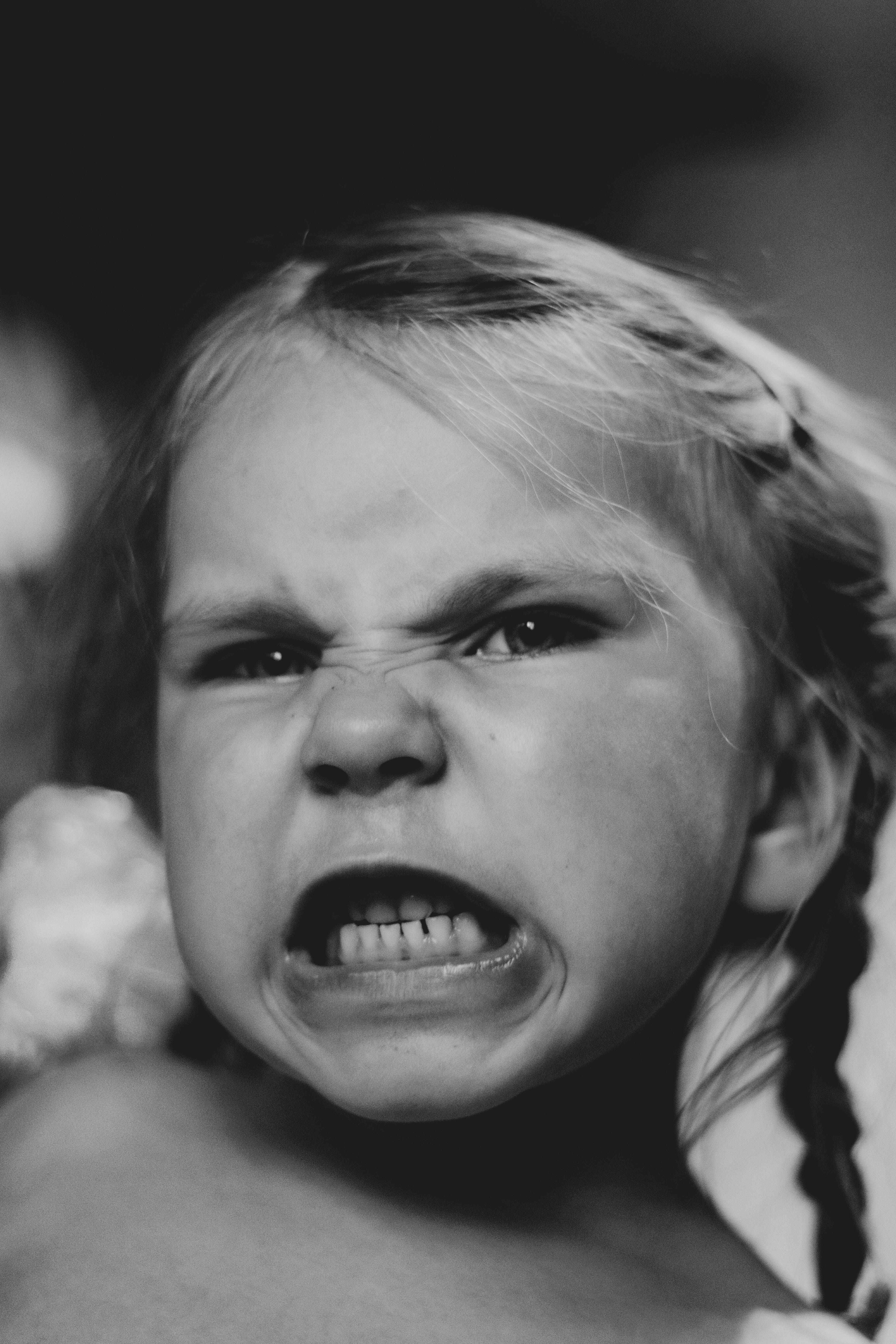
Anger in children can be difficult for parents to manage, especially when it appears as yelling, tantrums, hitting, throwing things or shutting down. But anger itself is not necessarily the problem. It is a normal emotion, and children are still learning how to understand, name and regulate what they feel.
Why Do Children Get Angry?
Children may become angry when they feel frustrated, tired, overwhelmed, misunderstood or unable to get what they want. Changes in routine, conflict with siblings, school stress and difficulty expressing emotions can also contribute.
Younger children may not yet have the language to say, “I feel disappointed” or “I feel left out.” Instead, those feelings may come out as anger.
What Can Childhood Anger Look Like?
Common signs can include frequent tantrums, shouting, arguing, pushing boundaries, hitting, throwing objects or withdrawing from others.
Rather than focusing only on stopping the behaviour, it can help to ask what may be happening underneath it.
How Can Parents Respond to an Angry Child?
Start by staying as